How to Reduce Kratom Bitterness: Ranked by Wellness and Taste Impact
Table of Contents
- Bitter? Yes. Dealbreaker? Maybe not!
- TL;DR — Quick Takeaways
- FAQs
- Understanding Kratom Bitterness at the Core
- Why Temperature Changes Everything
- Methods to Reduce Kratom Bitterness
- Healthiest Ways to Reduce Kratom Bitterness (Long-Term Wellness Impact)
- For those who value:
- The criteria behind our ranking:
- 1. Ice / Cooling (Highest Wellness Score)
- 2. Creamer
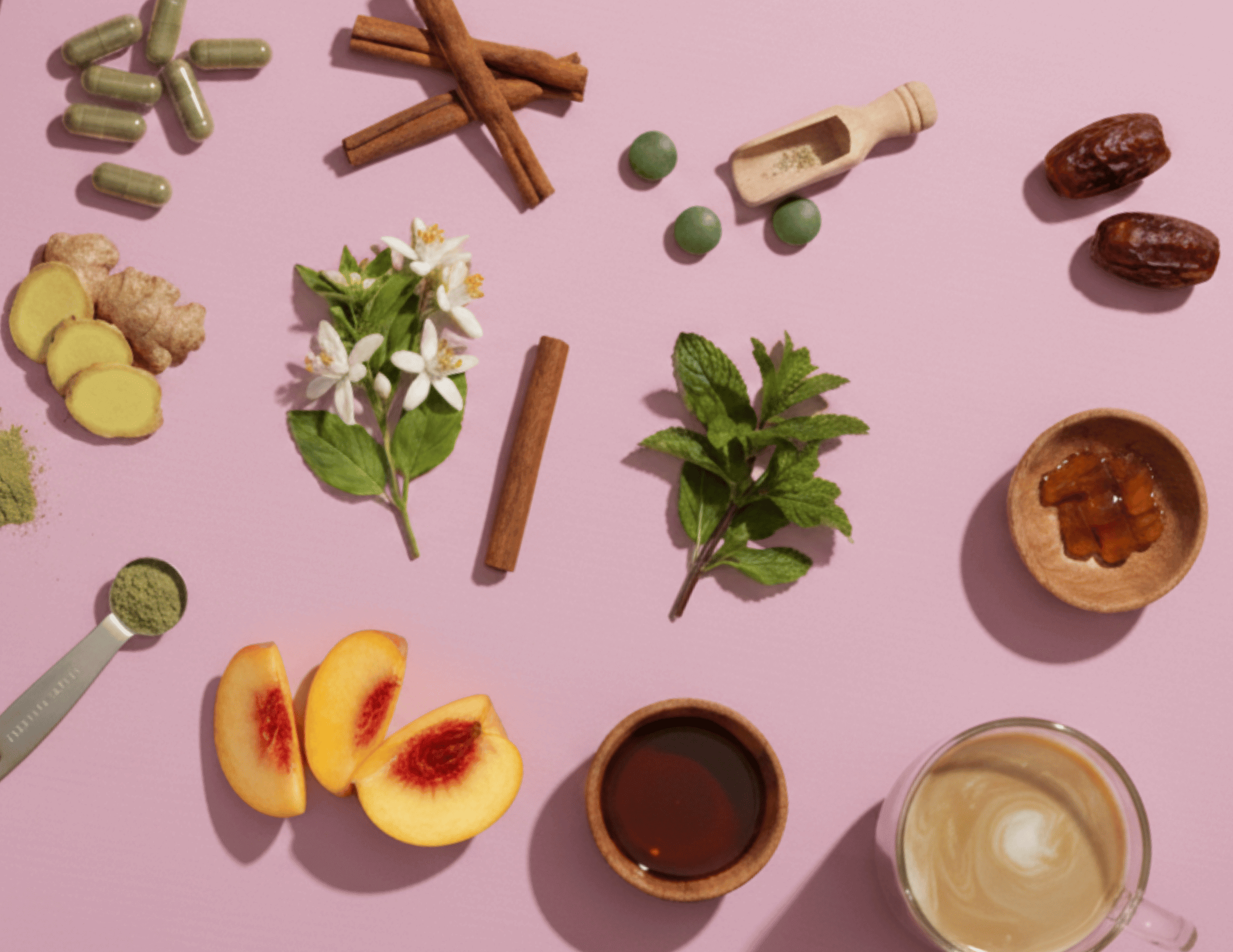
- 3. Herbs & Spices (Cinnamon, Ginger, Tulsi, Orange Blossom, and Peppermint)
- 4. Stevia & Monk Fruit
- 5. Fresh Fruit (Whole > Juice)
- 6. Maple Syrup
- 7. Agave
- 8. Flavored Syrups
- 9. Granulated Sugar (Lowest Wellness Score)
- Most Effective Ways to Reduce Kratom Bitterness by Masking and/or Neutralizing
- For those who value:
- The criteria behind our ranking:
- 1. Granulated Sugar
- 2. Flavored Syrups
- 3. Maple Syrup
- 4. Agave
- 5. Fruit Juice
- 6. Creamer (Fat Coating Mechanism)
- 7. Stevia / Monk Fruit
- 8. Ice (Dilution + Temperature Suppression)
- 9. Herbs & Spices (Cinnamon, Ginger, Tulsi, Orange Blossom, and Peppermint)
- Most Health-Conscious and Effective Ways to Reduce Kratom Bitterness
- For those who value:
- The criteria behind our ranking:
- 1. Unsweetened Creamer (Fat-Based)
- 2. Ice / Chilling
- 3. Stevia or Monk Fruit (Pure Extract Forms)
- 4. Herbs & Spices (Cinnamon, Ginger, Tulsi, Orange Blossom, and Peppermint)
- 5. Whole Fresh Fruit (Blended, Not Juiced)
- 6. Maple Syrup
- 7. Agave
- 8. Flavored syrups
- 9. Granulated Sugar
- Choose What Feels Right For You
- Our Top Picks to Reduce Kratom Bitterness!
- The Wrap-Up
- Sources and References
- Disclaimer
Bitter? Yes. Dealbreaker? Maybe not!
We ranked methods to reduce kratom bitterness by wellness impact and effectiveness for a better tasting experience!
If you're having some trouble trying to reduce kratom's natural bitterness or simply want to compare solid options that account for a tasteful experience without comprising your well-being, this is for you.
The earthy, sharp taste of kratom is one of the most common hurdles for both beginners and long-time consumers. The good news? There are more mindful ways to approach flavor that support your long-term wellness goals while actually improving the drinking experience.
In this guide, we rank methods three ways:
Wellness impact first
Effectiveness (in terms of both masking and/or neutralizing bitterness)
A balanced mix of both wellness impact and effectiveness, for those who want something that works well and supports long-term well-being.
TL;DR — Quick Takeaways
We break down the methods to reduce kratom bitterness in three different insightful categories:
Healthiest: Based on Long-Term Wellness Impact. Highlights methods that reduce bitterness while minimizing sugar, additives, and metabolic impact.
Most Effective Ways to Mask or Neutralize Kratom Bitterness: Based on Sensory Impact. Focuses on the strongest sensory approaches to mask or neutralize bitterness.
Most Health-Conscious and Effective: Combines both perspectives, showing options that work well and support long-term well-being.
Cold temperature reduces perceived bitterness more than most sweeteners.
Sugar works fast, but adds metabolic load.
Herbs and spices balance flavor without heavy additives.
Fat-based additions may coat taste receptors and soften perceived bitterness.
Not all “natural” sweeteners are equal in long-term wellness impact (always read the label).
FAQs
Does cooling kratom really reduce bitterness?
Yes. Cold temperature reduces taste receptor sensitivity, which can lower the intensity of bitter signals sent to the brain.³ In simple terms, your tongue becomes slightly less responsive to bitterness when something is cold. This means you can reduce perceived bitterness without adding sweeteners, sugars, or other ingredients — making it one of the cleanest adjustment methods available.
Are natural sweeteners healthier than sugar?
It depends on the specific product and how it’s formulated. Some plant-based sweeteners, like stevia or monk fruit, activate sweet taste receptors without being metabolized like glucose.⁵ That means they typically don’t raise blood sugar the way traditional table sugar does. However, some commercial versions include fillers (such as maltodextrin) that may affect blood sugar. Reading ingredient labels is key — “natural” doesn’t always mean metabolically neutral.
Why does kratom taste so bitter?
Kratom contains naturally occurring alkaloids, which are plant compounds that interact with bitter taste receptors.¹ Many plants produce bitter compounds as part of their defense systems in nature. Humans have specialized receptors designed to detect bitterness, which is why the taste can feel strong or sharp — especially for individuals who are genetically more sensitive to bitter flavors.
Is fruit juice better than sugar?
Whole fruit is generally a more balanced option because it contains fiber, which slows the absorption of natural sugars and helps moderate blood sugar response. Fruit juice, especially processed or store-bought varieties, often lacks fiber and may contain concentrated sugars or additives. In those cases, it can behave similarly to added sugar in terms of metabolic impact. Choosing whole blended fruit over juice provides more nutritional value and better glycemic balance.
Understanding Kratom Bitterness at the Core
Before we start ranking methods to reduce kratom bitterness, let’s zoom out for a second.
Kratom leaves contain naturally occurring alkaloids — plant compounds that contribute to its characteristic taste. Alkaloids are nitrogen-containing molecules that often taste bitter because that bitterness evolved as a natural plant defense mechanism.¹
Bitterness perception is triggered by specialized taste receptors on your tongue called TAS2R receptors.² These receptors are sensitive by design — they’re part of your body’s way of identifying potentially strong plant compounds.
Why Temperature Changes Everything
Cold liquids dull taste perception slightly, including bitter compounds.³
That’s why iced coffee tastes smoother than hot coffee, even when the ingredients are identical. This becomes important when we evaluate wellness impact versus effectiveness.
Methods to Reduce Kratom Bitterness
We break down the methods in three different insightful categories below.
Healthiest: Based on Long-Term Wellness Impact. Highlights methods that reduce bitterness while minimizing sugar, additives, and metabolic impact.
Most Effective (either by masking and/or neutralizing bitterness): Based on Sensory Impact. Focuses on the strongest sensory approaches to mask or neutralize bitterness.
Most Health-Conscious and Effective: Combines both perspectives, showing options that work well and support long-term well-being.
Healthiest Ways to Reduce Kratom Bitterness (Long-Term Wellness Impact)
For those who value:
Options that primarily minimize sugar, additives, and metabolic impact.
Choices that are primarily gentle on the body, without sacrificing taste balance.
The criteria behind our ranking:
Added sugar load
Glycemic impact (blood sugar influence)
Acidity
Additives & fillers
Metabolic burden
Ingredient transparency
1. Ice / Cooling (Highest Wellness Score)
Why it ranks first:
No added sugar. No additives. No metabolic impact. This makes cooling the most neutral, lowest-modification approach.
Cold temperature reduces bitterness perception without altering the chemical composition of kratom. This is a perceptual shift, not a masking trick. A quality kratom powder + cold water is the cleanest method here.
What’s happening biologically:
Taste receptors are temperature sensitive. Cold reduces receptor sensitivity — meaning the same bitter compounds activate fewer signals. You’re not changing the kratom. You’re adjusting how your nervous system interprets it.
Why this matters for well-being:
No blood sugar fluctuation
No liver processing burden
No artificial ingredients
No dependency on sweetness
2. Creamer
If unsweetened, it may soften bitterness through a fat coating mechanism.
Fat molecules temporarily coat taste receptors, reducing direct interaction between bitter compounds and receptor sites. Unsweetened creamers function differently than flavored commercial blends. It's best to double check nutrition labels carefully.
If sweetened:
Often includes syrups
Stabilizers
Emulsifiers
Added sugars
Organi Kratom Red Bali Powder
$9.95
Organi Kratom Red Bali Powder Organi Kratom Red Bali Powder offers a smooth, calming experience perfect for users seeking relaxation, stress relief, and gentle mood… read more
3. Herbs & Spices (Cinnamon, Ginger, Tulsi, Orange Blossom, and Peppermint)
These work through aromatic balance.
Smell and taste are deeply connected. Aroma molecules travel to olfactory receptors (smell receptors), which influence how flavor is perceived. When aroma intensity increases, bitterness feels less dominant.
You’re not removing bitterness — you’re adding competing sensory signals.
Many herbs contain polyphenols — plant compounds studied for antioxidant activity and cellular signaling roles.⁴ While research is ongoing and not definitive for all outcomes, they do not introduce refined sugars or heavy additives. This method supports sensory diversification instead of sugar reliance.
Wellness context:
No glycemic spike
Minimal metabolic disruption
Adds flavor complexity rather than sweetness dependency
4. Stevia & Monk Fruit
These are high-intensity sweeteners derived from plants. They activate sweet taste receptors without being metabolized as glucose.⁵
From a metabolic perspective, this tends to be a lighter option. If using this method, it's ideal to opt for pure extract forms and to read nutrition labels carefully.
Plain English: they taste sweet, but they don’t raise blood sugar the way sugar does.
However:
Some commercial products contain fillers like maltodextrin (a starch that does affect blood sugar).
High-intensity sweeteners may alter taste preference over time if used heavily.
Some individuals report digestive sensitivity or lingering aftertaste.
5. Fresh Fruit (Whole > Juice)
If choosing fruit for flavor balance, whole blended fruit is typically a more stable option than processed juice.
Whole fruit introduces:
Fiber
Natural sugars in their original matrix
Slower glucose absorption
Fiber slows digestion, reducing rapid blood sugar spikes. That’s why whole fruit generally has a lower glycemic impact compared to juice.
Store-bought juices often:
Remove fiber
Concentrate sugars
Add preservatives or flavor enhancers
6. Maple Syrup
Less refined than white sugar and contains trace minerals like manganese and zinc.
However:
It is still a concentrated sugar source.
Trace minerals exist in small amounts — not enough to offset high intake. It’s slightly less processed, but metabolically it behaves like sugar.
Best used occasionally, not as a daily option.
7. Agave
High in fructose.
Fructose has a lower glycemic index than glucose — meaning it doesn’t spike blood sugar as sharply.⁶
However:
- Fructose is primarily processed in the liver. Excess intake may increase liver metabolic load over time.
- Lower glycemic impact does not equal metabolically neutral.
- Moderate consumption is important to be aware of.
8. Flavored Syrups
Convenient. Highly effective at masking.
These introduce metabolic load plus additive exposure.
They work — but they are chemically dense.
These often contain:
Refined sugars
Artificial flavors
Preservatives
Color additives
9. Granulated Sugar (Lowest Wellness Score)
Fast masking. High glycemic impact. Minimal nutritional benefit. Sucrose rapidly breaks down into glucose and fructose.
From a sensory standpoint, it works well. From a metabolic standpoint, it’s the least neutral option.
This can lead to:
Blood sugar spikes
Insulin response
Energy crashes
Most Effective Ways to Reduce Kratom Bitterness by Masking and/or Neutralizing
For those who value:
Approaches that deliver the strongest sensory results, from cooling and dilution to sweeteners and flavor-enhancing ingredients.
Options based on the physiology of taste perception–including factors such as temperature, sweetness, and aromatic compounds.
Options that can overall promote the most satisfying taste experience.
The criteria behind our ranking:
Bitterness Reduction – How effectively it masks or neutralizes bitter compounds.
Sensory Perception – How taste and aroma work together to change the overall flavor experience.
Intensity & Persistence – Strength of the effect and how long it lasts on the palate.
Ease of Use – How simple it is to implement and adjust for personal taste.
Ingredient Considerations – Includes sweetness, fat, or flavoring; additive content is noted but not penalized heavily since wellness is secondary here.
1. Granulated Sugar
Sweet receptors and bitter receptors send competing signals to the brain.
Sweetness can neurologically override bitterness through this sort of "competition" effect.
This does not remove bitter compounds — it changes the way our brains interpret it.
2. Flavored Syrups
Combines sweetness + aroma. Very effective masking.
Dual sensory intervention:
Sweet receptor activation
Olfactory stimulation
3. Maple Syrup
Adds depth and sweetness. Has great masking capacity.
4. Agave
Moderate masking through sweetness alone.
Less intense than refined sugar but still effective.
5. Fruit Juice
Acidity can brighten flavor.
However, acidity does not neutralize bitterness — it shifts balance.
Effectiveness varies by fruit type and concentration.
Blue Magic Kratom Capsules Bali
$10.59
Blue Magic Kratom Capsules Bali Blue Magic Kratom Capsules Bali capture the essence of one of the most beloved strains in the kratom world. Known… read more
6. Creamer (Fat Coating Mechanism)
Fat molecules coat taste receptors, temporarily muting bitterness.
Think of it like a thin film barrier.
7. Stevia / Monk Fruit
Extremely sweet.
Effective for some, but may leave lingering aftertaste due to receptor persistence — the sweet signal lasts longer than expected.
8. Ice (Dilution + Temperature Suppression)
Cold dulls receptors. Slight dilution reduces concentration of bitter compounds.
This is both neurologically and physically effective.
9. Herbs & Spices (Cinnamon, Ginger, Tulsi, Orange Blossom, and Peppermint)
Balance rather than mask.
They add complexity, but bitterness remains present.
Best for those comfortable with layered flavor rather than sweetness dominance.
Most Health-Conscious and Effective Ways to Reduce Kratom Bitterness
If the first two lists had a baby, this is it.
For those who value:
Methods that both work well and support overall wellness, so they can enjoy kratom on their own terms without compromising health or flavor by minimizing metabolic impact, additives, and unnecessary sugar.
The criteria behind our ranking:
Glycemic Impact – How much it affects blood sugar. Lower is better.
Metabolic Load – How much the body needs to process it. Minimal is preferred.
Additive Exposure – Presence of sugars, fillers, or artificial ingredients. Fewer is better.
Bitterness Reduction – How effectively it masks or balances bitterness.
Nutritional Value – Any fiber, polyphenols, or beneficial compounds added.
Ease & Control – How simple it is to use and adjust to taste preferences.
1. Unsweetened Creamer (Fat-Based)
Why it ranks high:
Effective masking via fat coating + low glycemic impact (if unsweetened).
Fat molecules create a temporary physical barrier between bitter compounds and taste receptors. This reduces signal intensity without relying on sugar.
Important nuance:
Choose unsweetened.
Avoid syrups, hydrogenated oils, and stabilizer-heavy blends.
Pure Infinity Botanicals 100mg Maeng Da Premium Gold Kratom Extract Tablets 6ct
$16.75
Pure Infinity Botanicals 100mg Maeng Da Premium Gold Kratom Extract Tablets 6ct Get your daily dose of Kratom with our Pure Infinity Botanicals 100mg Maeng… read more
Out of Stock

2. Ice / Chilling
Why a runner-up:
Zero metabolic impact + strong perceptual suppression.
Cold reduces taste receptor sensitivity and slight dilution lowers bitter compound concentration. No additives. No blood sugar response. No ingredient complexity.
It’s the cleanest and most effective intersection of wellness and performance.
3. Stevia or Monk Fruit (Pure Extract Forms)
Why it ranks here:
Can be very effective by introducing sweetness without raising blood sugar. This is a big advantage over sugar-based options.
Keep in mind:
Check for fillers like maltodextrin.
Some people experience lingering aftertaste.
Heavy use may increase sweetness preference over time.
Used intentionally and in pure form, this is a strong compromise.
4. Herbs & Spices (Cinnamon, Ginger, Tulsi, Orange Blossom, and Peppermint)
Why it’s lower but still solid:
Excellent metabolically. Moderate sensorially.
They introduce:
No refined sugar
No major metabolic load
Aroma-based balance
But they don’t strongly mask bitterness — they rebalance it.
Ideal for people comfortable with balancing the complexity involves at times, instead of sweetness.
5. Whole Fresh Fruit (Blended, Not Juiced)
Why it sits mid-tier:
Moderate masking + fiber buffer.
Whole fruit adds natural sweetness plus fiber, which slows sugar absorption. That reduces glycemic spikes compared to juice or syrup. Best for those who want natural balance rather than an overpowering suppression of the natural flavor.
Keep in mind:
Still contains varying sugar levels.
May be less effective at masking than concentrated/high-intensity sweeteners.
6. Maple Syrup
Why it drops lower:
Effective masking but most often has concentrated sugar content
It contains trace minerals, but metabolically it still behaves like sugar. Excessive consumption should be should be avoided. Works well but should be used occasionally.
7. Agave
Lower glycemic index than sugar, but high fructose load shifts burden to the liver.
It masks moderately well but doesn’t earn a higher position due to metabolic considerations.
8. Flavored syrups
Effective but high additive and sugar burden.
9. Granulated Sugar
Highly effective masking. Highest glycemic impact. No buffering nutrients.
Last place in this balanced ranking.
Choose What Feels Right For You
If your priority is long-term metabolic awareness, cooling and aromatics rank higher.
If your priority is immediate flavor masking, sweetness wins and you'll want to consider how often and in what quantity you’re consuming it.
A few other considerations:
Rotating methods may prevent flavor fatigue.
Opt for fewer additives.
Always check labels for proper product nutrition information.
Strong concentration increases bitterness intensity.
Concentrated liquids may allow smaller liquid volumes, which some people find easier to blend into beverages.
There is no single best way to reduce kratom bitterness. Your preferences, preparation style, and personal approach to wellness all matter.
Honeyroot Kratom Shot Blackout 220Mit 10ml
$11.69
Honeyroot Kratom Shot Blackout 220Mit 10ml The Honeyroot Kratom Shot Blackout is a bold and powerful liquid kratom extract designed for experienced users seeking a… read more
Out of Stock

Our Top Picks to Reduce Kratom Bitterness!
We’ve selected methods that consistently strike the best balance between reducing kratom bitterness and supporting long-term well-being. We value methods that preserve flavor while minimizing metabolic or additive impact, because taste matters as much as well-being.
At the top of our list:
Ice or chilled preparation, which softens bitterness without introducing any additives or affecting metabolism.
Second Place:
Herbs and spices—like cinnamon, ginger, tulsi, orange blossom, and mint—add aromatic complexity and mild bitterness balancing while keeping the drink clean.
For the following two, we add these sparingly depending on the mood:
Natural sweeteners such as stevia or monk fruit provide sweetness without impacting blood sugar, and whole fruit offers subtle flavor plus fiber and nutrients.
More concentrated sweeteners like maple syrup or agave are included sparingly for gentle sweetness without compromising health.
Across formats—powders, capsules, tinctures, and more—these options allow us to enjoy kratom in a way that remains flexible for the natural ebb and flow of life, while staying aligned with health-conscious choices.
The Wrap-Up
If you want the healthiest approach to reduce kratom bitterness, temperature and whole ingredients tend to rank highest. If you want maximum bitterness masking, sweetness and fat-based additions lead. The smartest approach is one that balances both — and feels sustainable for you.
Sources and References
Mennella, J. A., Pepino, M. Y., & Reed, D. R. “Genetic and Environmental Determinants of Bitter Perception and Sweet Preferences.” Pediatrics.
https://pmc.ncbi.nlm.nih.gov/articles/PMC1397914/
(Support discussion of individual differences in bitter taste perception and the biological basis of bitterness sensitivity. Clarifies how genetics influence taste receptor responses.)Meyerhof, W., et al. “The molecular receptive ranges of human TAS2R bitter taste receptors.” Chemical Senses.
https://academic.oup.com/chemse/article/35/2/157/312436
(Provides molecular-level evidence explaining how human bitter taste receptors detect plant alkaloids and other bitter compounds.)Chong, Y. K., Nyam, K. L., et al. “Effect of brewing time and temperature on the physical properties, antioxidant activities and sensory of the kenaf leaves tea.” Food Science & Nutrition.
https://pmc.ncbi.nlm.nih.gov/articles/PMC8814219/
(Clarifies how brewing temperature influences sensory attributes like taste perception.)McKay, D. L., & Blumberg, J. B. “A review of the bioactivity and potential health benefits of chamomile tea (Matricaria recutita L.).” Phytotherapy Research.
https://onlinelibrary.wiley.com/doi/10.1002/ptr.1900
(Provides context on bioactive compounds, including polyphenols, in herbal infusions and supports discussion of plant-based beverage chemistry.)Magnuson, B. A., et al. “Biological fate of low-calorie sweeteners.” Nutrition Reviews.
https://academic.oup.com/nutritionreviews/article/74/11/670/2236935
(Explains the metabolism and biological processing of non-nutritive sweeteners used in beverages.)Tappy, L., & Lê, K. A. “Metabolic effects of fructose.” Physiological Reviews.
https://journals.physiology.org/doi/full/10.1152/physrev.00019.2009
(Provides context on fructose metabolism.)
Disclaimer
The products discussed here and any claims or suggestions made have not been evaluated by the Food and Drug Administration (FDA). This content is not intended to diagnose, treat, cure, or prevent any disease.
The information on this website is provided for general informational purposes only and should not be relied on as the sole basis for making decisions – we encourage consulting primary, qualified, more complete, or professional sources. Any reliance on the material on this site is at your own risk.
Information shared on this site may be updated at any time and may include information or data that are no longer current, accurate, or complete and is provided for your reference only. We are not obligated to update published content, and it is the reader’s responsibility to monitor any changes and to consult with primary, qualified, more complete, or professional sources.
We make no guarantees regarding the completeness, accuracy, or reliability of the information provided, nor do we warrant that any products, services, or materials offered will meet individual expectations. Use of this site and its content is at your own discretion and risk.