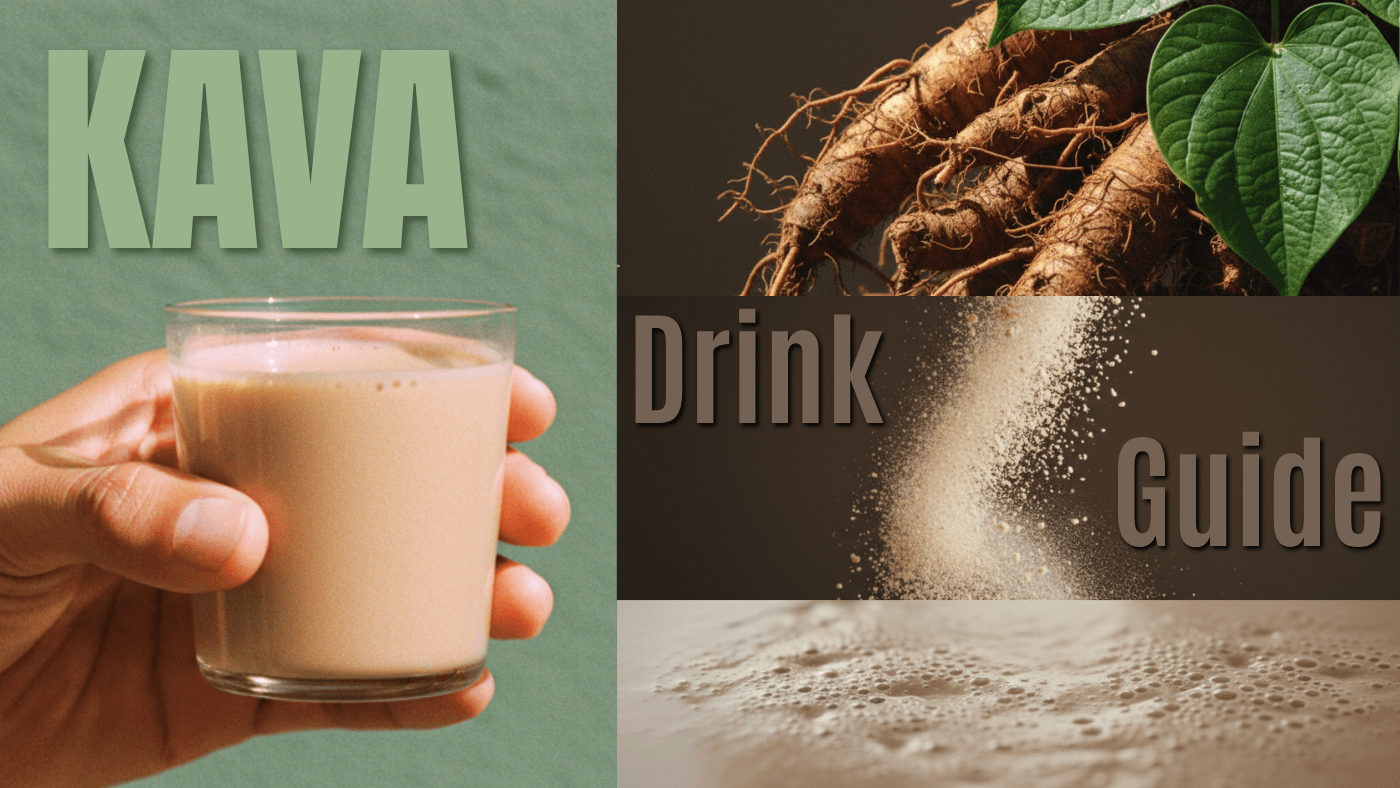
Kava Drink Guide: Effects, Benefits & Side Effects
Table of Contents
- Quick Highlights–TL;DR
- FAQs
- Kava Drink Explained
- The Cultural Roots of Kava: From Pacific Islands to Modern Wellness
- Traditional Kava Drink vs Kava Tea vs Kava Nectar
- The Benefits of Drinking Kava
- Kava Drink Side Effects
- Contraindications: Who Should Avoid Kava?
- Final Note to Keep in Mind
- Sources and References
- Disclaimer
The traditional kava drink has evolved from being a common beverage rooted in Fiji, Vanuatu, Tonga, and Samoa into what you can now find in powders, shots, teas, and ready-to-consume formats available online and on our shelves, across a wide range stores, almost everywhere.
This guide breaks down the main types of kava drinks, what they tend to feel like, the commonly discussed benefits and side effects, and the key things worth considering before trying it for yourself.
Quick Highlights–TL;DR
A kava drink is a botanical beverage traditionally made from the root of Piper methysticum and is now available in formats like powders, teas, shots, tinctures, gummies, and seltzers.
Kava’s primary active compounds, called kavalactones, are what shape its characteristic calming and mood-supportive effects.
Traditional kava drinks, teas, and concentrated shots may differ significantly in onset speed, potency, and user experience depending on preparation method.
Many explore kava for relaxation, social ease, or alcohol-free ritual, though individual effects may vary based on serving size and product quality.
Common short-term side effects may include nausea, dizziness, or mouth numbness, making serving awareness and product transparency especially important.
Quality matters: noble kava sourcing, third-party testing, and clear labeling help shoppers make more informed decisions.
Liver safety discussions around kava are nuanced, and understanding sourcing, formulation, and moderation may help to properly assess potential considerations.
Kava is not alcoholic, though it is often used socially by those seeking an NA alternative with a different experiential profile.
FAQs
What does a kava drink taste like?
A kava drink is often described as earthy, slightly bitter, and sometimes peppery in flavor. The taste is not usually the main attraction, which is why many modern products are flavored or reformulated. Chilling or mixing with other ingredients is commonly used to improve palatability.
What should I look for in a high-quality kava drink?
A kava drink is generally considered higher quality when it uses noble kava varieties, transparent sourcing, and third-party lab testing. Clear labeling around kavalactone content is also a helpful indicator. Reputable production standards matter more than branding or packaging alone.
How long does a kava drink take to work?
A kava drink typically has a gradual onset that may range from around 20 to 45 minutes for traditional preparations. Concentrated formats like kava shots may act faster due to higher potency and quicker absorption. Effects tend to build slowly rather than hitting all at once.
Can I drink kava every day?
A kava drink is sometimes used occasionally rather than as a daily routine product. Frequency varies widely between individuals, and moderation is typically emphasized in most consumer guidance. Consistency in quality and mindful use are more important than habitual consumption patterns.
Is a kava beginner friendly?
A kava drink is often explored by beginners because of its calming, non-alcoholic profile. That said, experience may vary depending on product quality, serving size, and individual sensitivity. Starting with lower-potency formats is commonly preferred for first-time users.
Kava Drink Explained
A kava drink is a botanical beverage traditionally made from the root of Piper methysticum, a plant native to the South Pacific. For centuries, Pacific Island communities have prepared kava by grinding or pounding the root and mixing it with water to create an earthy, often peppery beverage used in social, ceremonial, and cultural settings. Today, modern kava formats have expanded beyond traditional preparation into teas, powders, capsules, tinctures, gummies, seltzers, and concentrated shots—giving curious newcomers more approachable entry points.
At its core, kava is primarily known for its naturally occurring compounds called kavalactones, which are responsible for its characteristic calming effects.¹ While flavor opinions may vary—“earthy” if you’re feeling diplomatic, while “forest floor tea” has certainly crossed a few minds—many people explore kava for its social and relaxation-oriented qualities.
The Cultural Roots of Kava: From Pacific Islands to Modern Wellness
Kava’s history runs deep through regions such as Fiji, Vanuatu, Tonga, and Samoa, where it has traditionally played a role in ceremonies, hospitality, and community bonding. Rather than being viewed purely as a wellness product, kava historically carried social, spiritual, and diplomatic significance.
Modern wellness markets have reframed kava into more commercial formats, often emphasizing convenience and accessibility. While this evolution has broadened awareness, understanding kava’s cultural heritage adds useful context for anyone exploring it today.
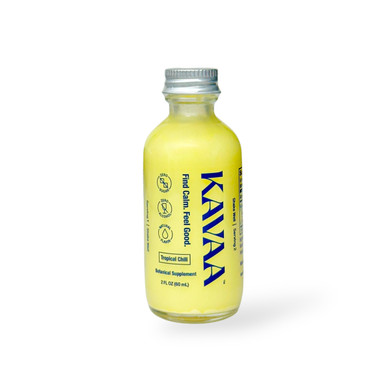
Kavaa Botanical Supplement Shot Tropical Chill 2oz
$9.85
Kavaa Botanical Supplement Shot Tropical Chill 2oz The Kavaa Botanical Supplement Shot in Tropical Chill flavor offers a refreshing and convenient way to enjoy the… read more
Traditional Kava Drink vs Kava Tea vs Kava Nectar
Traditional kava drink
Form: water soluble kavalactones produced by kneading and straining ground fibrous kava roots with water. Lengthy but meditative preparation.
Uses: traditional, more potent experience.
Preparation: in a cheesecloth, over a big mixing bowl/cup, add 2 to 4 tablespoons (~10 to 30 grams) of ground kava root with 8 to 12 fl oz of water, and then mix, knead, and strain the kava in the cheesecloth to produce what’s known as the traditional kava drink.
Taste: bold, peppery, bitter, earthy.
Kava tea
Form: commonly available in loose cut/sifted, powder, and pre-packaged tea bags formats.
Uses: convenience, light relaxation, concentration is usually mild.
Preparation: infuse loose or pre-packaged tea bags of kava root in hot water (100-140°F), similar to other traditional herbal teas.
Taste: light earthiness, peppery, bitter.
Kava nectar
Form: Made via dehydrated cold-pressed fresh kava root juice. No straining required and oftentimes more concentrated. Referred to as an ”instant” form.
Uses: convenience, light relaxation, potency is usually mild.
Preparation: mix a teaspoon of kava nectar powder in water, plant milk, or juice.
Taste: smooth, peppery, bitter, earthy.
There are also a handful of other convenience-based formats that range from shots (powder in liquid/extract liquid) and tinctures to tablets and edibles (gummies, etc).
Kava shots, tinctures, and extract liquids are great for infusing into any beverage, seltzers for when you want a hint of solace, tablets and other edibles if you’re about the on-the-go life.
A range of products designed for those moments when you want to chill, slow down, or simply connect more with the moment (also, stay tuned–next week, we’re getting into NA kava drink recipes worth trying).
In all, not every kava beverage is created equal. Sourcing and preparation methods can significantly color potency, onset, and one’s overall experience.
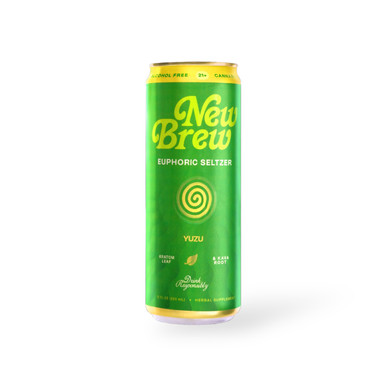
New Brew Kratom and Kava Yuzu Euphoric Seltzer 12oz
$5.59
New Brew Kratom and Kava Yuzu Euphoric Seltzer 12oz New Brew Kratom and Kava Yuzu Euphoric Seltzer (12oz) is a vibrant, citrus-forward beverage designed for… read more
The Benefits of Drinking Kava
Kava is most often discussed in the context of winding down—whether that’s after a long day, in social settings, or as part of an evening routine. Some studies suggest kava may be associated with occasional stress-related support, depending on context and product quality.¹
Commonly discussed benefits of kava include
- Relaxation-focused effects: Often explored for its calming, wind-down oriented properties rather than intense or stimulating effects
- Occasional stress support: Some research suggests kava may be associated with temporary reductions in stress-related feelings¹
- Evening wind-down use: Commonly chosen as part of nighttime routines where the goal is to transition into a slower, more settled state
- Pre-sleep relaxation support (indirect): Some users incorporate kava as part of their wind-down ritual before bed, often due to its calming profile rather than any direct sleep effect
- Social ease: Frequently used in group settings where a more relaxed, unhurried atmosphere is preferred
- NA alternative use: Often selected by those looking for a non-alcoholic way to unwind in the evening
- Gentle mood shift: Some users describe a subtle sense of mental easing or lightness depending on serving size and format
How Do Kavalactones Work?
Kavalactones are the primary active compounds in kava root. Research suggests they interact with neurotransmitter systems involved in mood, relaxation, and nervous system signaling.² The six major kavalactones—such as kavain and dihydrokavain—contribute to the plant’s broader effect profile. Their concentration may differ depending on cultivar, preparation style, and product quality.
Unlike alcohol, kava does not function as ethanol—meaning it does not operate through the same chemical mechanisms typically associated with alcoholic intoxication—though some users describe certain social or calming parallels.
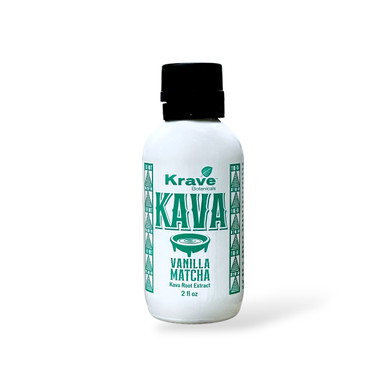
Krave Kava Root Extract Shot Vanilla Matcha 2oz
$7.95
Krave Kava Root Extract Shot Vanilla Matcha 2oz Krave Kava Root Extract Shot – Vanilla Matcha 2oz delivers a smooth, calming kava experience paired with… read more
Kava Drink Side Effects
Common short-term side effects:
Nausea
Dizziness
Drowsiness
Dry skin with heavy long-term overuse
Mouth numbness
What Does a Kava Drink Feel Like?
Many users report that within about 15–30 minutes of consuming a kava drink, they first begin to feel a mild numbing sensation in the mouth (often considered kava’s signature “hello” to the body), followed by mellow relaxation gradually unfolding after.
Individual experiences vary. Not everyone experiences kava the same way, and factors like serving size, body chemistry, and product quality matter.
Can You Get High on Kava?
Kava is generally not considered intoxicating in the same sense as THC. Most users describe it more as a calming or grounding experience than the more pronounced euphoric or psychoactive “high” often associated with THC.
That said, higher servings may feel more sedating for some individuals, which is why mindful consumption and self-awareness are key to practice here—while one may feel the relaxation induced by kava, it’s important to remember relaxation is not the same as impairment or dissociation/disconnection with reality.
Is Kava Alcoholic?
No—kava contains no alcohol. While some people use it socially as an alternative to alcoholic beverages, its chemistry and mechanism are entirely different.
This distinction matters because many people exploring kava are specifically seeking non-alcoholic options that may better align with certain lifestyle preferences.
Is Kava Addictive?
Current evidence generally suggests kava carries a lower dependency profile than many substances, though habitual overuse patterns may still develop in some individuals.² “Lower risk” does not mean “zero consideration.” As always, we recommended keeping track of your consumption some how
Is Kava Bad for Your Liver?
Liver safety is one of the most discussed—and often oversimplified—topics surrounding kava. Historical safety concerns largely stemmed from rare cases of liver injury reported in the early 2000s, particularly involving certain extracts or poorly characterized products rather than traditionally prepared noble kava root beverages alone.³ Researchers have since suggested that several variables may meaningfully influence potential risk, including the specific plant parts used (root vs. stems or leaves), extraction solvents (such as acetone or ethanol vs. water-based preparation), product quality controls, serving patterns, and possible interactions with medications or pre-existing liver conditions.³ Current research does not fully support treating all kava products as equally risky, but it does reinforce the importance of thoughtful sourcing, product transparency, and moderation.
Other factors to consider about the link between kava and liver health:
Traditional water-based noble kava root preparations are often viewed differently than highly concentrated or poorly formulated extracts
Using non-root plant material may increase quality concerns
Combining kava with alcohol or medications that affect the liver may introduce additional variables
Third-party testing and transparent sourcing may help consumers better assess product standards
Contraindications: Who Should Avoid Kava?
Certain individuals should use additional caution or avoid kava unless advised otherwise by a trusted healthcare professional:
Pregnant or breastfeeding individuals¹
Those with existing liver conditions or liver-related concerns³
People taking medications that affect the liver or central nervous system²³ (e.g. sedatives, anti-anxiety medications, antidepressants, or antipsychotics)
Individuals who regularly combine kava with alcohol or other substances that may increase liver burden³
Anyone with underlying medical conditions where botanical-supplement interactions may be a concern²
What Not to Mix With Kava
Alcohol: Combining kava with alcohol may increase sedative effects and place additional strain on the liver, as both are processed through overlapping metabolic pathways.
Prescription sedatives or sleep aids: Medications that impact the central nervous system (such as anti-anxiety meds, sleep medications, or muscle relaxants) may intensify drowsiness or impairment when combined with kava.
THC products: Pairing kava with THC may amplify relaxation, sedation, or mental cloudiness, depending on individual sensitivity and dosage.
Highly concentrated herbs, herbal extracts, or supplements: Combining multiple concentrated herbs, herbal extracts, and/or supplements may increase overall metabolic burden and may potentially lead to other adverse effects.
Final Note to Keep in Mind
A kava drink may appeal to those exploring botanical beverages for relaxation, social outings, self-care rituals, or curiosity about traditional and holistic practices. The smartest approach is often thoughtful experimentation paired with quality sourcing and realistic expectations.
Kava is a botanical with a long cultural history, modern relevance, and nuances worth acknowledging and respecting before jumping in.
Sources and References
¹ Sarris, J. et al. (2013). Kava in the Treatment of Generalized Anxiety Disorder: A Double-Blind, Randomized, Placebo-Controlled Study
Purpose: Selected as it is one of the most cited scientific reviews examining kava’s anxiety-related research and provides balanced clinical context.
² Singh, Y. N. (1992). Kava: An overview
https://www.sciencedirect.com/science/article/abs/pii/037887419290003A?via%3Dihub
Purpose: Chosen for foundational scientific context on kavalactones, pharmacology, and traditional use.
³ Teschke, R. et al. (2011). Kava hepatotoxicity: Regulatory data selection and causality assessment
https://www.dldjournalonline.com/article/S1590-8658(09)00175-3/abstract
Purpose: Included because liver safety is one of the most important concerns and this source provides nuance around historical controversy.
Disclaimer
The products discussed here and any claims or suggestions made have not been evaluated by the Food and Drug Administration (FDA). This content is not intended to diagnose, treat, cure, or prevent any disease. The information on this website is provided for general informational purposes only and should not be relied on as the sole basis for making decisions–we encourage consulting primary, qualified, more complete, or professional sources. Any reliance on the material on this site is at your own risk. Information shared on this site may be updated at any time and may include information or data that are no longer current, accurate, or complete and is provided for your reference only. We are not obligated to update published content, and it is the reader’s responsibility to monitor any changes and to consult with primary, qualified, more complete, or professional sources. We make no guarantees regarding the completeness, accuracy, or reliability of the information provided, nor do we warrant that any products, services, or materials offered will meet individual expectations. Use of this site and its content is at your own discretion and risk.