Cat’s Claw Guide — Effects, Safety, Dosage & Buying Tips
Table of Contents
- Why More People Are Curious About Cat’s Claw
- Quick Highlights — TL;DR
- FAQs
- What Is Cat’s Claw?
- What Physiological Effect Does It Have on the Body and How Does It Work?
- What the Research Says About Cat’s Claw and Safety
- Cat’s Claw vs Kratom vs Kava vs 7OH vs Mushrooms
- Dosage Guidelines
- The Wrap-Up
- Sources and References
- Disclaimer
Why More People Are Curious About Cat’s Claw
The modern supplement space moves fast, and sorting through botanical ingredients may feel a bit like trying to read a menu in a dimly lit café. This guide is designed to help customers understand what cat’s claw is, how it works, what current research suggests, and what to look for before buying. Whether someone is new to the world of botanicals or simply trying to compare options more thoughtfully, understanding sourcing, preparation, and product quality matters more than flashy labels.
Quick Highlights — TL;DR
Cat’s claw is a rainforest vine traditionally used in parts of South and Central America.
The plant contains alkaloids and polyphenols that researchers continue studying for physiological activity.¹
Different extracts may vary significantly in strength and composition.
Capsules, powders, tinctures, and liquid shots may all deliver different user experiences.
Quality sourcing and lab testing matter more than aggressive marketing claims.
The plant is commonly compared with kava, kratom, mushrooms, and 7OH products, though they work differently.
Starting with conservative serving sizes may help users better assess individual tolerance.
FAQs
Is cat’s claw naturally occurring?
Yes. Cat’s claw is a naturally occurring rainforest vine traditionally used in regions of South and Central America.
What forms does cat’s claw come in?
Cat’s claw commonly appears in powders, capsules, tinctures, gummies, teas, and concentrated liquid extracts. Different formats may vary in concentration and onset characteristics.
How do I know if a cat’s claw product is high quality?
Look for clear labeling, extraction details, third-party testing, sourcing transparency, and realistic product descriptions. Extremely exaggerated claims are usually worth approaching cautiously.
Is cat’s claw the same as kratom?
No. While both are botanical products, they come from entirely different plants and contain different active compounds. Their traditional uses, alkaloid profiles, and physiological mechanisms differ substantially.
Why do extract ratios matter?
Extract ratios help indicate concentration strength. For example, a 10:1 extract generally means a larger amount of raw plant material was used to produce a smaller concentrated extract.
What Is Cat’s Claw?
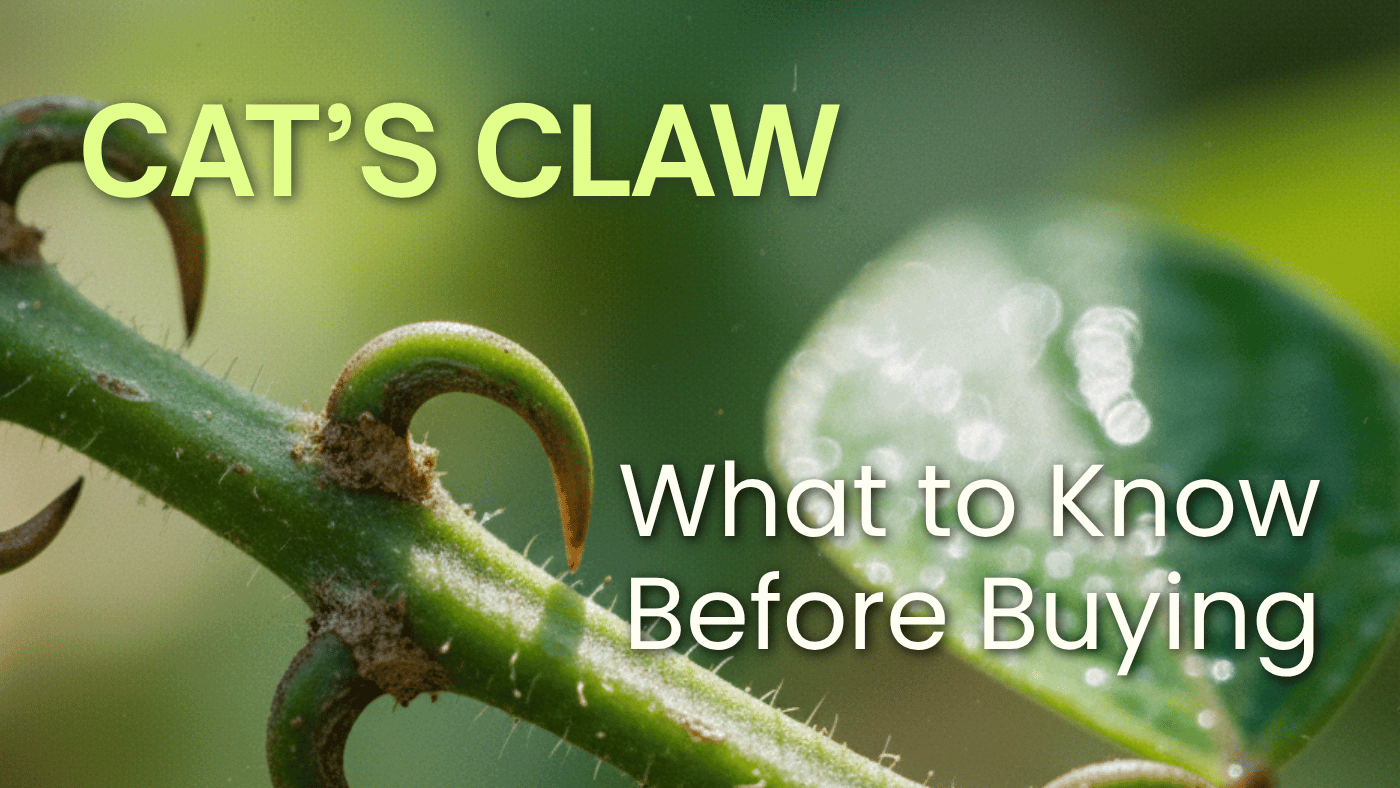
Cat’s claw, scientifically known as Uncaria tomentosa, is a woody vine native to the Amazon rainforest and other tropical regions of South America. The name comes from the curved, claw-like thorns growing along the vine. Traditionally, parts of the bark and root have been prepared as teas, powders, and extracts for generations.²
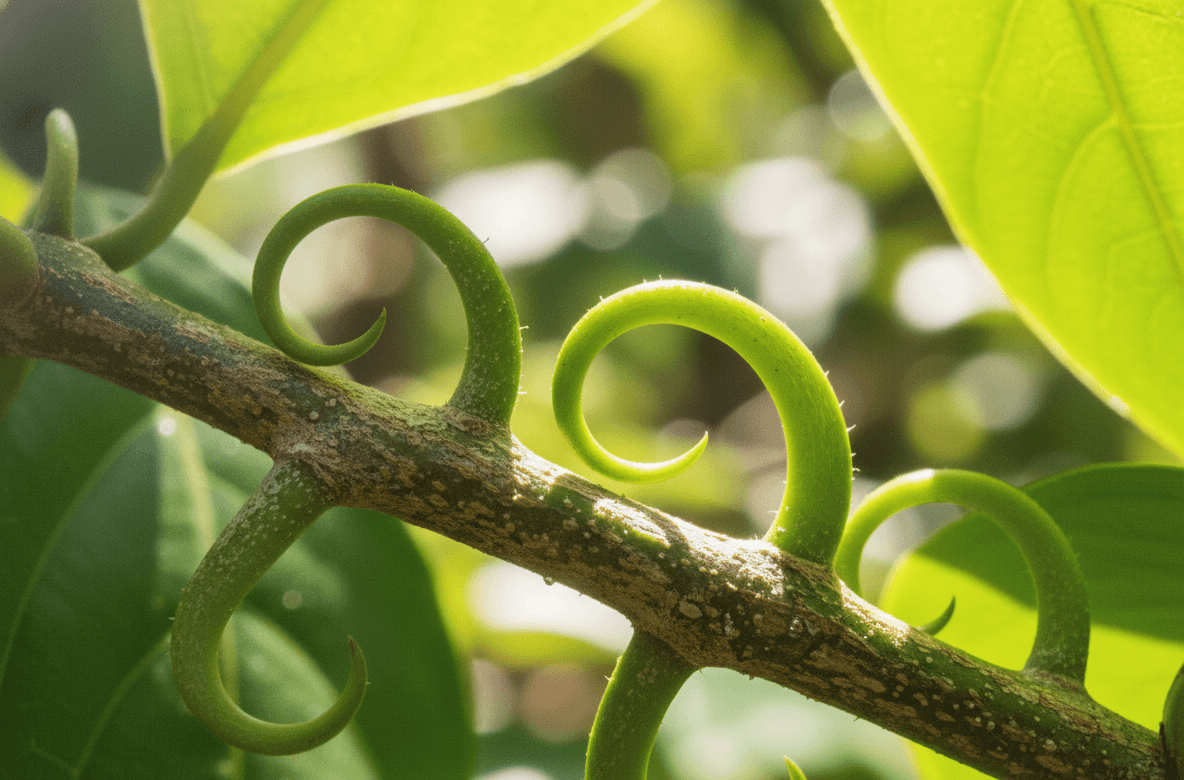 Close-up of Cat's Claw
In today’s wellness market, cat’s claw appears in capsules, tinctures, gummies, and concentrated liquid formulas. This guide focuses less on hype and more on practical buying considerations because product quality may vary substantially depending on extraction method, plant maturity, and standardization.
Many products advertise “full-spectrum” extracts, meaning they attempt to preserve a broader range of naturally occurring plant compounds. Others isolate specific alkaloid profiles. Neither is automatically better; the intended experience and manufacturing quality usually matter more.
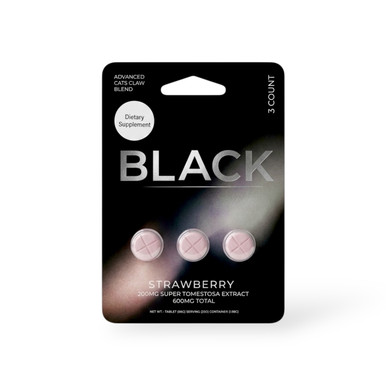
Black Advanced Cats Claw Blend Strawberry 200mg Tablet
$28.75
Black Advanced Cats Claw Blend Strawberry 200mg Tablet Black Advanced Cat’s Claw Blend Strawberry 200mg Tablets offer a flavorful and convenient way to enjoy a… read more
Out of Stock
What Physiological Effect Does It Have on the Body and How Does It Work?
Researchers studying the botanical often focus on compounds called oxindole alkaloids and polyphenols.¹ These compounds may interact with inflammatory signaling pathways, oxidative stress processes, and certain forms of cellular communication inside the body. In plain English, oxidative stress refers to natural cellular wear-and-tear caused by unstable molecules called free radicals.
This guide would not be complete without mentioning that researchers are still exploring the plant’s exact mechanisms. Some studies suggest certain alkaloids and polyphenols may influence immune-related signaling pathways while also interacting with neuroprotective and antioxidant processes associated with brain and nervous system function.²³ Researchers have investigated how these compounds may affect inflammatory activity and oxidative stress within neural tissue, though the evidence remains early and continues evolving. That sounds highly technical, but the practical takeaway is fairly straightforward: Uncaria tomentosa appears biologically active in ways that may extend beyond general systemic activity, even if many mechanisms are not yet fully understood.
Importantly, this botanical is not believed to work like highly receptor-targeted substances such as caffeine, nicotine, kratom alkaloids, or alcohol. Instead, current research describes broader indirect physiological interactions involving signaling pathways, antioxidant activity, and cellular stress responses.²³ That distinction matters because some consumers expect an immediate “felt” effect when trying botanical products, while others may experience something more subtle or gradual depending on formulation and individual sensitivity.
Extraction method matters here too. Water-based extracts, alcohol tinctures, and concentrated powders may all emphasize different compounds. Consumers sometimes assume every product works identically because the label says “cat’s claw,” but that is a bit like assuming espresso and cold brew coffee feel exactly the same.
What the Research Says About Cat’s Claw and Safety
Current research on this botanical is promising but still developing, particularly regarding antioxidant, immunomodulatory, and neuroprotective botanical research areas.²³ Reviews published in peer-reviewed journals describe antioxidant and immune-signaling activity, while newer discussions also explore how certain botanical compounds may interact with pathways associated with neural health and oxidative stress regulation.¹²³ That distinction matters because preliminary findings are not the same thing as universally accepted conclusions or established clinical outcomes.
This guide encourages readers to approach strong marketing claims cautiously. Reliable companies usually discuss sourcing, testing, extraction methods, and formulation transparency more than dramatic promises. Third-party testing for contaminants and alkaloid consistency may be especially important with rainforest botanicals because potency and composition may vary substantially between products.
Some individuals may choose to avoid combining multiple concentrated botanical products simultaneously, particularly when experimenting with unfamiliar extracts. Serving size, body weight, formulation strength, and individual sensitivity may all influence personal experiences. Readers should also keep in mind that research involving botanical compounds and brain-related pathways is still evolving, and many mechanisms continue to be actively studied rather than definitively established.
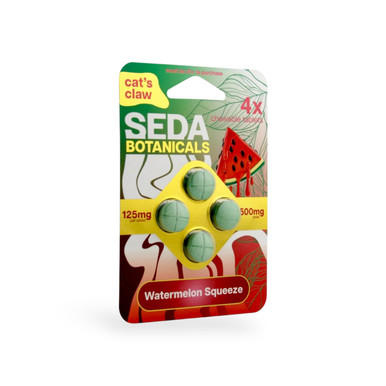
Seda Botanicals Cat's Claw Watermelon Squeeze 125mg Tablet
$28.75
Seda Botanicals Cat's Claw Watermelon Squeeze 125mg Tablet Support your wellness routine with Seda Botanicals Cat’s Claw Watermelon Squeeze 125mg Tablets, a flavorful and convenient… read more
Out of Stock
Cat’s Claw vs Kratom vs Kava vs 7OH vs Mushrooms
Botanical products are often grouped together despite having very different mechanisms, compound profiles, and traditional use contexts. This guide aims to separate those categories more clearly for readers comparing products across the broader wellness space.
- Compared to Kratom
- Uncaria tomentosa contains oxindole alkaloids and polyphenols associated with antioxidant and immune-related research pathways.¹²³
- Kratom contains alkaloids such as mitragynine that interact with very different receptor systems.
- Compared with kratom, cat’s claw products are generally viewed as less alkaloid-forward and less associated with immediately noticeable receptor-targeted effects.
- Kratom products also vary heavily between plain leaf powders and concentrated extracts, which may create substantially different experiences.
- Compared to 7OH
- 7OH products usually refer to concentrated 7-hydroxymitragynine formulations derived from kratom alkaloids.
- Compared with cat’s claw, 7OH products are typically much more concentrated, specialized, and potency-focused.
- Uncaria tomentosa is generally positioned closer to traditional rainforest herbal wellness products rather than highly refined alkaloid concentrates.
- Consumers comparing the two should understand they belong to very different botanical categories despite occasionally appearing within similar retail spaces.
- Compared to Kava
- Kava contains compounds called kavalactones and is commonly associated with relaxing or evening-oriented social settings.
- Compared with kava, cat’s claw research is discussed more frequently in relation to antioxidant, inflammatory-signaling, and neuroprotective pathways.²³
- Kava products are traditionally beverage-oriented, while cat’s claw products more commonly appear as capsules, tinctures, powders, and extracts.
- The two plants also originate from entirely different traditional cultural practices and regions.
- Compared to Functional Mushrooms
- Functional mushrooms like Lion's Mane or Reishi contain beta-glucans and fungal compounds rather than rainforest vine alkaloids. Read more about nootropics here.
- Compared with functional mushrooms, cat’s claw is more commonly categorized as a traditional botanical herbal rather than a fungi-based adaptogenic product.
- Mushrooms and cat’s claw may overlap in wellness discussions, but their compound structures and mechanisms differ substantially.
Read more about difference between Kratom, Kava and Mushrooms here.
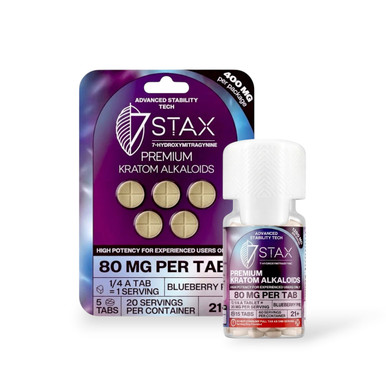
7 Stax 7 Hydroxymitragynine Tablets Blueberry Pie 80mg
$49.85
7 Stax 7 Hydroxymitragynine Tablets Blueberry Pie 80mg 7 Stax 7-Hydroxymitragynine Tablets Blueberry Pie 80mg are thoughtfully formulated for users who value consistency, convenience, and… read more
Dosage Guidelines
There is no universally standardized serving size for cat’s claw because formulations differ significantly between powders, extracts, tinctures, and concentrated liquids. Some products contain raw bark powder, while others use standardized extracts with elevated alkaloid concentrations.
We recommend paying close attention to:
Standardization percentages
Extract ratios
Third-party testing
Serving instructions
Total milligram content per serving
New users often prefer beginning conservatively to assess personal tolerance before increasing intake. Concentrated liquid shots and tinctures may absorb differently than capsules or gummies, and effects may vary accordingly.
Another useful buying tip: products that clearly explain extraction methods and sourcing practices are often easier to evaluate than products relying heavily on dramatic claims or vague proprietary blends.
The Wrap-Up
At the end of the day, it comes down to informed buying rather than chasing exaggerated promises. Cat’s claw has a long traditional history and continues attracting modern scientific interest because of its complex alkaloid and polyphenol profile. At the same time, research is still evolving, and product quality may vary widely between brands and extraction methods. Understanding sourcing, formulation style, and serving strength may help consumers navigate the category more confidently. Readers exploring broader botanical wellness products may also notice interesting differences between cat’s claw, kava, mushrooms, kratom, and 7OH formulations. A little curiosity, a little label-reading, and a healthy skepticism toward hype usually go a long way.
Sources and References
¹ Keplinger K, Laus G, Wurm M, Dierich MP, Teppner H. “Uncaria tomentosa (Willd.) DC.—Ethnomedicinal use and new pharmacological, toxicological and botanical results.” Journal of Ethnopharmacology.
https://www.sciencedirect.com/science/article/abs/pii/S0378874198000968?via%3Dihub
(Purpose: Selected because it is one of the foundational and most cited scientific reviews on cat’s claw pharmacology and traditional use.)
² Gregory J, Vengalasetti YV, Bredesen DE, Rao RV. “Neuroprotective Herbs for the Management of Alzheimer’s Disease.” Biomolecules. 2021.
https://pubmed.ncbi.nlm.nih.gov/33917843/
(Purpose: Selected because NCCIH provides balanced, non-commercial, evidence-focused educational information.)
³ Navarro-Hoyos M, et al. “Polyphenolic composition and antioxidant activity of aqueous and ethanolic extracts from Uncaria tomentosa bark and leaves.”
https://pmc.ncbi.nlm.nih.gov/articles/PMC5981251/
(Purpose: Selected because it discusses antioxidant compounds and biological activity in modern extract analysis.)
Disclaimer
The products discussed here and any claims or suggestions made have not been evaluated by the Food and Drug Administration (FDA). This content is not intended to diagnose, treat, cure, or prevent any disease.
The information on this website is provided for general informational purposes only and should not be relied on as the sole basis for making decisions – we encourage consulting primary, qualified, more complete, or professional sources. Any reliance on the material on this site is at your own risk.
Information shared on this site may be updated at any time and may include information or data that are no longer current, accurate, or complete and is provided for your reference only. We are not obligated to update published content, and it is the reader’s responsibility to monitor any changes and to consult with primary, qualified, more complete, or professional sources.
We make no guarantees regarding the completeness, accuracy, or reliability of the information provided, nor do we warrant that any products, services, or materials offered will meet individual expectations. Use of this site and its content is at your own discretion and risk.